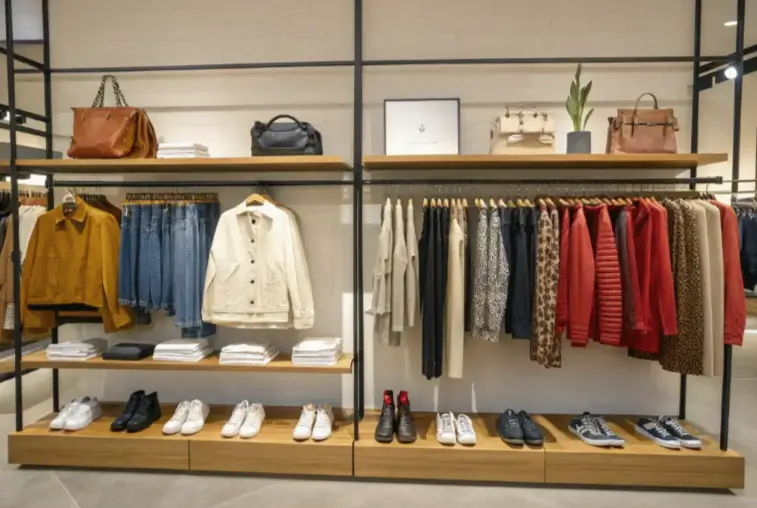

The apparel industry offers many opportunities for retailers, distributors, and businesses interested in developing their own clothing collections. However, choosing the right products requires careful planning. Customers have different expectations regarding comfort, appearance, fit, and quality, so businesses need to understand these factors before making purchasing decisions.
A successful apparel collection should offer products that meet everyday needs while reflecting the preferences of its intended audience. From casual sweatshirts to professional clothing options, a balanced selection can help businesses serve different customer groups.
Understanding the Needs of Your Target Market
Every clothing business should begin by identifying its target customers. Their age groups, lifestyles, purchasing habits, and fashion preferences can influence which products are most suitable for a collection.
For example, customers interested in relaxed everyday fashion may prefer hoodies, joggers, and comfortable T-shirts. Businesses serving professional environments may focus more on polished shirts, jackets, and coordinated clothing.
Understanding these differences helps retailers select products that have a clear purpose instead of filling their inventory with unrelated styles.
Market research, customer feedback, and product performance can provide useful information when planning an apparel assortment.
Why Hooded Sweatshirts Are Popular in Casual Apparel
Hooded sweatshirts have become a familiar part of modern casual fashion. Their practical design and comfortable construction make them suitable for different everyday situations.
They can be worn during travel, outdoor activities, relaxed gatherings, and casual working environments where informal clothing is appropriate. Their versatility also makes them easy to combine with jeans, trousers, joggers, and other wardrobe essentials.
Businesses considering bulk hooded sweatshirts should evaluate different product characteristics before selecting their inventory. Fabric composition, garment weight, stitching, hood construction, and sizing are all important considerations.
A collection can include basic pullover designs, zip-up hoodies, oversized styles, and different color options. This variety gives customers more opportunities to find products that match their preferences.
Evaluating Fabric and Construction Before Purchasing
The quality of apparel depends on several elements, including the material, construction, and finishing. Businesses should review these details carefully instead of choosing products based only on appearance.
Fabric composition: Understand the materials used and whether they suit the intended purpose of the garment.
Stitching quality: Check seams, cuffs, pockets, and other construction areas for consistency.
Fit and measurements: Review available sizes and garment measurements to understand how the clothing is designed to fit.
Finishing details: Examine zippers, drawstrings, labels, and other components where applicable.
Care instructions: Make sure customers can understand how to wash and maintain the garment.
Evaluating these factors can help retailers make more informed product selections and establish consistent quality expectations.
See also: Shane Guidry Net Worth Career Business and Wealth
Exploring Clothing Options for Different Business Needs
Not every apparel collection serves the same purpose. Some businesses focus on casual fashion, while others need clothing for workplace environments, events, uniforms, or promotional activities.
A retailer should consider whether its collection is intended for everyday consumers, organizations, teams, or professional customers.
Different clothing categories can support these needs. Casual sweatshirts may suit relaxed collections, while more structured garments can be useful for businesses looking for a polished appearance.
The key is to understand the intended customer before deciding which products to include.
Understanding the Value of Established Apparel Names
Brand familiarity can influence how customers evaluate clothing products. Some shoppers recognize particular apparel names and may look for specific styles or product categories.
devon and jones clothing is a relevant brand-related search term for customers exploring apparel options. Businesses interested in this category should review the available product range, individual garment specifications, materials, sizing, and intended use before making purchasing decisions.
Rather than relying on a brand name alone, retailers should compare individual products to determine whether they meet their collection requirements.
Providing accurate product information can also help customers understand the differences between available clothing options.
Building a Balanced Apparel Collection
A well-planned clothing collection should offer enough variety to meet customer expectations without becoming unnecessarily complicated.
Retailers can organize their products into clear categories, such as:
- Casual sweatshirts and hoodies.
- Everyday T-shirts and basic tops.
- Comfortable trousers and joggers.
- Shirts and professional apparel.
- Jackets and seasonal outerwear.
- Accessories that complement different outfits.
This structure makes product selection easier for customers and helps businesses manage their inventory more effectively.
It is also useful to offer different colors and fits within popular categories. However, the selection should reflect actual customer demand rather than simply increasing the number of available products.
Inventory Planning for Long-Term Business Growth
Inventory management is an important part of running an apparel business. Ordering too many products without understanding demand can create storage and financial challenges. On the other hand, maintaining insufficient stock may limit the ability to meet customer requirements.
Businesses should review previous sales, seasonal changes, customer requests, and product performance before planning new purchases.
A few useful inventory practices include:
Monitor popular sizes: Identify which measurements customers request most frequently.
Review color preferences: Understand which shades perform well within different product categories.
Track seasonal demand: Plan suitable clothing selections according to changing weather and customer needs.
Evaluate slow-moving products: Identify items that may need different pricing, presentation, or replacement.
Maintain supplier communication: Confirm product specifications, availability, and order details before making purchasing commitments.
These practices can support better inventory decisions and help businesses manage their collections more effectively.
Creating a Better Experience for Apparel Customers
Customer experience does not depend on product quality alone. Clear communication, useful product information, and convenient shopping processes also matter.
Online retailers should provide accurate descriptions, clear photographs, size charts, and washing instructions. Customers should be able to understand what they are purchasing without having to search for basic information.
Businesses should also make it easy for customers to ask questions about sizing, materials, availability, and product features.
Responding professionally to customer feedback can help build trust and identify areas where the business can improve.
Preparing for Changing Apparel Trends
Fashion preferences can change over time, but businesses do not need to replace their entire product range whenever a new trend appears.
A practical strategy is to maintain reliable everyday essentials while introducing selected new designs. This allows retailers to keep their collections fresh without losing the consistency that customers appreciate.
Regularly reviewing market developments and customer feedback can help businesses identify which products deserve attention in future collections.
Conclusion
Selecting apparel for a growing clothing business requires an understanding of customers, careful product evaluation, and effective inventory planning. Hooded sweatshirts provide versatile casualwear options, while different apparel categories can help businesses serve a wider range of needs.
By reviewing fabric quality, construction, sizing, product variety, and customer preferences, retailers can build collections that offer practical value. A thoughtful approach to product selection and customer service can support long-term business development in the competitive apparel industry.